
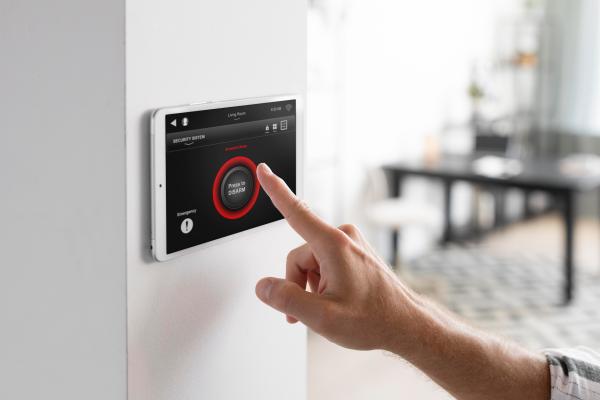
When you’re looking at ways to protect your home or business, you’ll often come across terms like security alarms and burglar alarms. At first, they may sound like two names for the same thing, but there can be some differences in how these systems are designed, what they monitor, and the type of protection they provide. Understanding these differences can help you choose a system that better matches your property and security needs.
For Adelaide property owners, modern Alarm Systems Adelaide can provide more than a simple warning when someone enters your property. Depending on the system, alarms can include door and window sensors, motion detectors, panic buttons, mobile alerts, and integration with other security technologies. Burglar alarms, on the other hand, are generally focused on detecting unauthorized entry or suspicious activity associated with an attempted break-in.
So, which option is right for your property? The answer depends on what you want your alarm system to monitor and how you want it to respond when something unusual happens. In this guide, we’ll explain the key differences between security alarms and burglar alarms, look at their features and uses, and help you understand what to consider before choosing a system for your Adelaide property.
The terms security alarm and burglar alarm are often used interchangeably, and in many situations, they can refer to very similar technology. The main difference usually comes down to the purpose and scope of protection rather than the alarm equipment itself.
A burglar alarm is primarily designed to detect unauthorized entry or an attempted break-in. It normally works by using sensors placed around important entry points, such as doors and windows. If a sensor detects an unexpected opening while the system is armed, it can trigger a siren or send an alert.
For example, if someone tries to enter through a back door while you’re away from home, the door sensor can detect the opening and activate the alarm. This immediate warning can draw attention to the property and alert you that something is wrong.
A security alarm can have a broader role. While preventing and detecting burglary remains an important function, modern security alarm systems may include additional features designed to provide wider protection and greater control.
Depending on the system you choose, it may include motion detection, panic buttons, mobile notifications, remote arming and disarming, and integration with CCTV or other security devices.
This means the distinction isn’t always about completely different equipment. In many modern installations, a burglar alarm can be considered one part of a broader security solution.
Whether you call it a burglar alarm or a security alarm, the actual features available can make a significant difference to how useful the system is for your property. Today’s systems can be customized according to the size of your home or business, the areas you want to protect, and the way you prefer to manage security.
Door and window sensors are commonly used to identify unauthorized access through entry points. Motion detectors can provide another layer of protection by detecting movement within selected areas of the property.
Using both types of sensors can be useful because they protect the property in different ways. An entry sensor can react when a protected door opens, while a motion detector can identify movement inside a room or other monitored area.
Modern systems can also provide notifications when an alarm event occurs. Depending on the equipment and setup, you may receive an alert through a connected mobile device, allowing you to check what is happening even when you’re not at the property.
Remote access can also make everyday security more convenient. Instead of returning home because you’re unsure whether you armed the alarm, some systems allow you to check or control the system remotely.
An alarm doesn’t necessarily have to operate independently. It can potentially work alongside CCTV cameras and other security equipment. For instance, an alarm may alert you to activity while a connected camera helps you see what triggered the alert.
This combination can give you both detection and visual information, helping you respond more appropriately to an unusual event.
Some useful features to consider include:
The right combination will depend on your property rather than simply choosing the system with the longest list of features. A small home, a large family property, a retail premises and a warehouse can all have very different security requirements.
Although the two terms are often used to describe similar systems, looking at their typical purpose and features can make the distinction easier to understand.
| Feature | Burglar Alarm | Security Alarm |
| Primary purpose | Detect unauthorised entry or burglary attempts | Provide broader property security and intrusion protection |
| Door/window sensors | Commonly used | Commonly used |
| Motion detection | Often available | Commonly available |
| Audible siren | Yes | Yes |
| Mobile notifications | Available with many modern systems | Commonly available depending on the system |
| Panic button | May be available | May be included as part of a wider setup |
| CCTV integration | Possible | Commonly integrated into broader security solutions |
| Remote control | Available with some systems | Common feature in many modern systems |
| Custom security zones | Depending on system | Commonly available |
| Suitable applications | Homes and businesses requiring intrusion detection | Homes, businesses and properties requiring broader security coverage |
The terminology itself shouldn’t be the only factor when choosing an alarm. What matters more is whether the system provides the type and level of protection your property actually requires.
For a homeowner, this could mean protecting doors, windows, garages and internal living areas. A business may need additional zones, restricted access areas, after-hours protection and integration with CCTV.
It is also worth considering how you want to receive alerts and what you would like to happen after an alarm is triggered. Some property owners may prefer a straightforward audible alarm, while others may want mobile notifications, remote access or professional monitoring.
The important thing is to look beyond the label and consider the complete setup.
Once you understand the difference between the terms, the next step is deciding what type of protection makes sense for your property. This is where your property’s layout, entry points, daily routine and security concerns should all be considered.
Choosing the right equipment is only one part of creating an effective alarm setup. Sensors need to be positioned correctly, detection zones need to be configured appropriately, and the system needs to be tested to make sure the components communicate as expected.
Professional Alarm Installation Adelaide services can help you plan the system around the actual layout of your property rather than simply placing sensors wherever they are easiest to install.
For example, a home with multiple entry doors, large windows, a garage and outdoor access may require a different configuration from a compact apartment. Similarly, a commercial property may need separate zones for offices, storage areas, entrances and other restricted spaces.
Before selecting an alarm, consider:
A properly planned system can also make everyday use easier. If an alarm is complicated to operate, people may be less likely to use it consistently. A practical system should fit naturally into your routine while providing the level of protection you need.
For a residential property, the priority may be protecting family members, entry points and valuable belongings. A commercial property may have different priorities, including protecting stock, equipment, offices and access-controlled areas.
This is why there isn’t one universal alarm setup that works perfectly for every Adelaide property. The best configuration depends on the building and how it is used.
Whether you refer to the system as a burglar alarm or a security alarm, the goal remains the same: create a practical layer of protection that helps detect unwanted activity and gives you greater awareness of what is happening around your property.
Understanding the difference between security alarms and burglar alarms makes it easier to see that the name of the system is not the most important factor. A burglar alarm is generally focused on detecting unauthorized entry, while a modern security alarm can offer broader protection through features such as motion detection, mobile alerts, panic buttons, remote access and CCTV integration.
For your Adelaide home or business, the right choice should be based on your property layout, entry points, daily routine and the level of protection you want. A well-planned system can help you stay aware of unusual activity and provide an important layer of protection whether you are at home, at work or away.
It is also important to remember that even quality alarm equipment needs to be correctly positioned, configured and tested. Taking the time to choose suitable equipment and have it professionally installed can make your security setup more practical and reliable.
Ultimately, you don’t need to get caught up in whether a system is called a security alarm or a burglar alarm. Focus on what the system can actually do for your property and how well it fits your security needs. With the right approach, you can create a smarter and more convenient security setup that gives you greater confidence in protecting what matters most.