
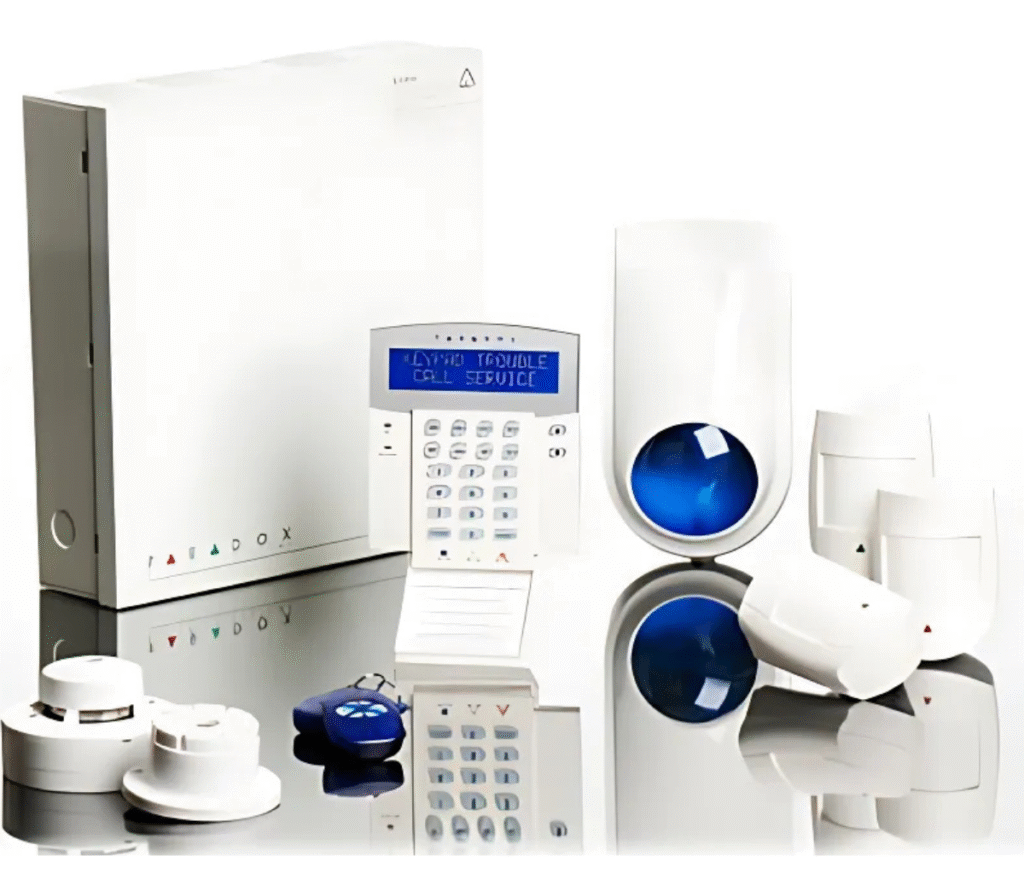
Installing an alarm system is an important step towards protecting your home, business, and valuable belongings. However, if you have never arranged a professional installation before, you might wonder what the process involves, how long it takes, and what you need to do before the installer arrives.
A properly planned Alarm Systems Adelaide can help detect unauthorized entry and alert you to potential security issues. The right setup depends on your property layout, daily routine, and the level of protection you need. For Adelaide homeowners and businesses, understanding the installation process can make it easier to choose suitable equipment and avoid unnecessary complications.
Whether you are considering a new system or upgrading an older one, this guide explains what happens before, during, and after professional Alarm Installation Adelaide, along with practical ways to prepare your property.
Before any equipment is fitted, the installer needs to understand your property and security requirements. This planning stage helps determine which devices are needed and where they should be positioned.
A security assessment identifies the areas that may need additional protection. For a house, this could include front and rear doors, accessible windows, garages, and side entrances. A commercial property may require attention to stockrooms, offices, loading areas, and other restricted spaces.
The installer may also consider the building layout, existing security equipment, and how people move through the property. These details help create a practical security plan rather than relying on a one-size-fits-all solution.
Not every property requires the same type of alarm. Some homeowners may prefer a straightforward system with door sensors and an internal siren, while others may benefit from motion detectors, mobile notifications, or integration with compatible security cameras.
During the consultation, discuss your priorities, budget, and preferred features. Professional Alarm Installation Adelaide services can help you compare suitable options based on your circumstances.
Sensor placement is essential for reliable operation. Door and window contacts must be positioned correctly, while motion detectors need suitable coverage of the intended area.
The control panel and keypad should be accessible to authorized users without being unnecessarily exposed. Planning these locations before installation can reduce adjustments later and help the system operate as intended.
Once the plan is agreed upon, the installer can begin fitting and configuring the equipment. The exact process varies depending on whether you choose a wired, wireless, or smart Alarm Systems Adelaide.
The installer checks the agreed locations and confirms that the required equipment is available. For wired systems, this may involve planning cable routes and checking access to suitable installation points. Wireless systems may require checks of device placement and communication range.
You can help by moving furniture or stored items away from installation areas and ensuring the installer can access relevant doors, windows, and other locations.
Sensors are fitted at selected entry points and other areas identified in the security plan. Depending on your system, the installation may include:
The number and type of devices depend on the property’s layout and security requirements. Correct positioning is important because poorly placed sensors may leave gaps in coverage or contribute to unwanted alarms.
The control panel coordinates the system’s components and allows authorised users to manage the alarm. The installer configures the relevant devices, zones, settings, and user access according to the agreed requirements.
You should ask how to arm and disarm the system, what the different indicators mean, and what to do if an alarm is triggered accidentally. Understanding these basics will help you use the equipment confidently.
Some modern Alarm Systems Adelaide support mobile applications, remote arming and disarming, and notifications. Depending on the model, users may also be able to manage selected settings through a connected device.
These features can be useful when you are away from home or managing a business outside normal hours. However, not every system offers the same functions, and some features require an internet connection, compatible equipment, or a subscription.
Testing is an essential part of the installation process. The installer should check the relevant sensors, control panel, siren, communication functions, and supported notifications.
Before the job is considered complete, ask for a demonstration and confirm that you understand how to operate the system. Any issues identified during testing should be addressed before the installer finishes the handover.
A little preparation can help the installation proceed more smoothly. You do not need to complete technical work yourself, but you can make access easier and communicate your requirements clearly.
Move furniture, boxes, and other obstacles away from the areas where devices will be fitted. If sensors are planned for a garage, shed, or storage room, make sure those spaces can be accessed safely.
For businesses, tell relevant staff about the installation and arrange access to restricted areas where necessary.
Explain which areas concern you most and how you use the property. For example, you may want to protect a side entrance, monitor access to a storeroom, or make sure pets do not trigger motion detectors unnecessarily.
Before work begins, confirm:
Some Alarm Systems Adelaide components require a suitable power supply, while smart features may depend on internet connectivity. Requirements vary by model, so ask the installer what is needed for your selected system.
If you already have an alarm, cameras, or other security devices, explain what is installed. Existing equipment may be reusable in some circumstances, but compatibility should be checked before it is included in the plan.
Let the people who use the property know when installation is scheduled. This helps avoid access problems and confusion while work is underway.
If you run a business, consider arranging installation outside your busiest operating hours when practical. Also confirm who will receive the system demonstration and be responsible for managing user access.
The time required depends on the property and the system being installed. A straightforward wireless setup may take less time than a larger system involving extensive wiring, multiple zones, or additional integration.
The main factors include:
Unexpected wiring issues, inaccessible areas, unsuitable existing equipment, or changes to the agreed design may cause delays. You can reduce the likelihood of disruption by confirming the scope beforehand and discussing any known property issues with the installer.
Ask for an estimated timeframe before the appointment. Treat it as an estimate rather than a guarantee, especially where the installation involves complex wiring or a large property.
The installation is only one part of achieving reliable security. You also need to understand the system and know how to maintain it.
During handover, ask the installer to demonstrate the everyday functions. These may include arming and disarming, selecting different modes, using access codes, and responding to system alerts.
Make sure authorized household members or staff understand the basic procedures. Store access details securely and avoid sharing codes with people who do not need them.
An Alarm Systems Adelaide may provide a local siren, send notifications to a compatible phone, or connect to a professional monitoring service. These functions are different, so check exactly what your equipment supports.
A mobile notification does not automatically mean that emergency services will be contacted. If you want professional monitoring, ask about availability, fees, response procedures, and any ongoing service requirements.
Routine checks can help identify issues before they affect the system’s operation. Follow the manufacturer’s guidance and your installer’s recommendations.
Useful maintenance steps include:
Even a quality Alarm Systems Adelaide may be less effective if it is poorly planned, configured incorrectly, or not used consistently.
Avoid these common mistakes:
Discussing these issues before installation can help you avoid unnecessary expense and make better use of your security equipment.
Choosing the right installer is just as important as selecting the equipment. Look for a service provider that takes time to understand your property and clearly explains the proposed solution.
Ask about the installer’s experience with the type of property and Alarm Systems Adelaide you have. Check any applicable licensing, qualifications, and regulatory requirements for the work being performed in South Australia.
A reliable provider should be able to explain why particular equipment and sensor locations are suitable for your situation.
Before committing, confirm the equipment included in the proposal and ask about warranty coverage, maintenance options, and support if a fault develops.
For connected systems, clarify whether mobile access, remote notifications, monitoring, or other features involve additional fees.
A written quote should explain the proposed equipment, labour, installation scope, and any likely additional charges. If you are comparing Alarm Systems Adelaide options, compare what each quote includes rather than looking only at the initial price.
| What to compare | Questions to ask |
| Equipment | Which control panel, sensors, and sirens are included? |
| Installation | Is wiring or other additional work required? |
| Features | Are mobile access and notifications supported? |
| Monitoring | Is professional monitoring available, and what does it cost? |
| Warranty | What is covered, and for how long? |
| Maintenance | What testing or servicing is recommended? |
| Support | Who should you contact if the system develops a fault? |
A clear proposal makes it easier to understand the total cost and decide whether the system meets your needs.
Use this checklist before your scheduled appointment to help make the process more straightforward.
Keep this checklist handy so you can check each item before the installer arrives.
The price depends on the equipment, number of sensors, property size, wiring requirements, and optional features. Request a property-specific quote that clearly separates included equipment and labour from any additional costs.
Yes. Many existing homes and businesses can accommodate an Alarm Systems Adelaide. A professional assessment can help determine whether a wired, wireless, or hybrid setup is appropriate for the building.
Not necessarily. Some Alarm Systems Adelaide provide core local functions without internet access, while remote applications and connected features may require a network connection. Check the specifications of the system you choose.
Some systems support mobile applications that allow remote control or provide notifications. Availability depends on the model, configuration, connectivity, and any required subscription.
Wired systems may suit some properties where cable routes are practical, while wireless systems can offer more flexibility where installing cables is difficult. The best option depends on the building, equipment, budget, and intended features.
Yes, periodic checks are recommended. Follow the manufacturer’s instructions for testing, battery replacement, cleaning, updates, and servicing to help keep the system operating reliably.
A successful Alarm Systems Adelaide begins with understanding your property’s security needs, choosing suitable equipment, and planning the work carefully. Preparing access points, discussing your concerns with the installer, and confirming the final testing process can help avoid unnecessary complications.
After installation, take time to learn how the system operates and understand the difference between local alarms, mobile notifications, and professional monitoring. Regular checks and appropriate maintenance will also help you get more value from your investment.
If you are considering a new Alarm Systems Adelaide for your home or business, professional advice can help you compare suitable options and plan the installation around your property. With the right preparation and a system matched to your needs, you can take a practical step towards improving security and peace of mind in Adelaide.
Follow Us!